28 Lives Changed: The Impact of Our TNR Campaign
Sometimes animal welfare work begins with a large campaign or an ambitious goal. And sometimes, it begins by looking out your own back door.
For The Gaske Cat Foundation, our recent Trap-Neuter-Return (TNR) campaign became deeply personal when a growing population of community cats appeared in our Secretary Kayla’s backyard. What started with a few cats quickly became a firsthand example of something communities across Maine and beyond experience every year: when cats remain unspayed and unneutered, a manageable situation can become overwhelming surprisingly quickly.
Kayla knew that simply feeding the cats wasn't enough. Without intervention, they would continue reproducing, more kittens would be born outdoors, and the cycle would become increasingly difficult for both the cats and the people trying to care for them.
So Kayla and our Founder, Holly, got to work.
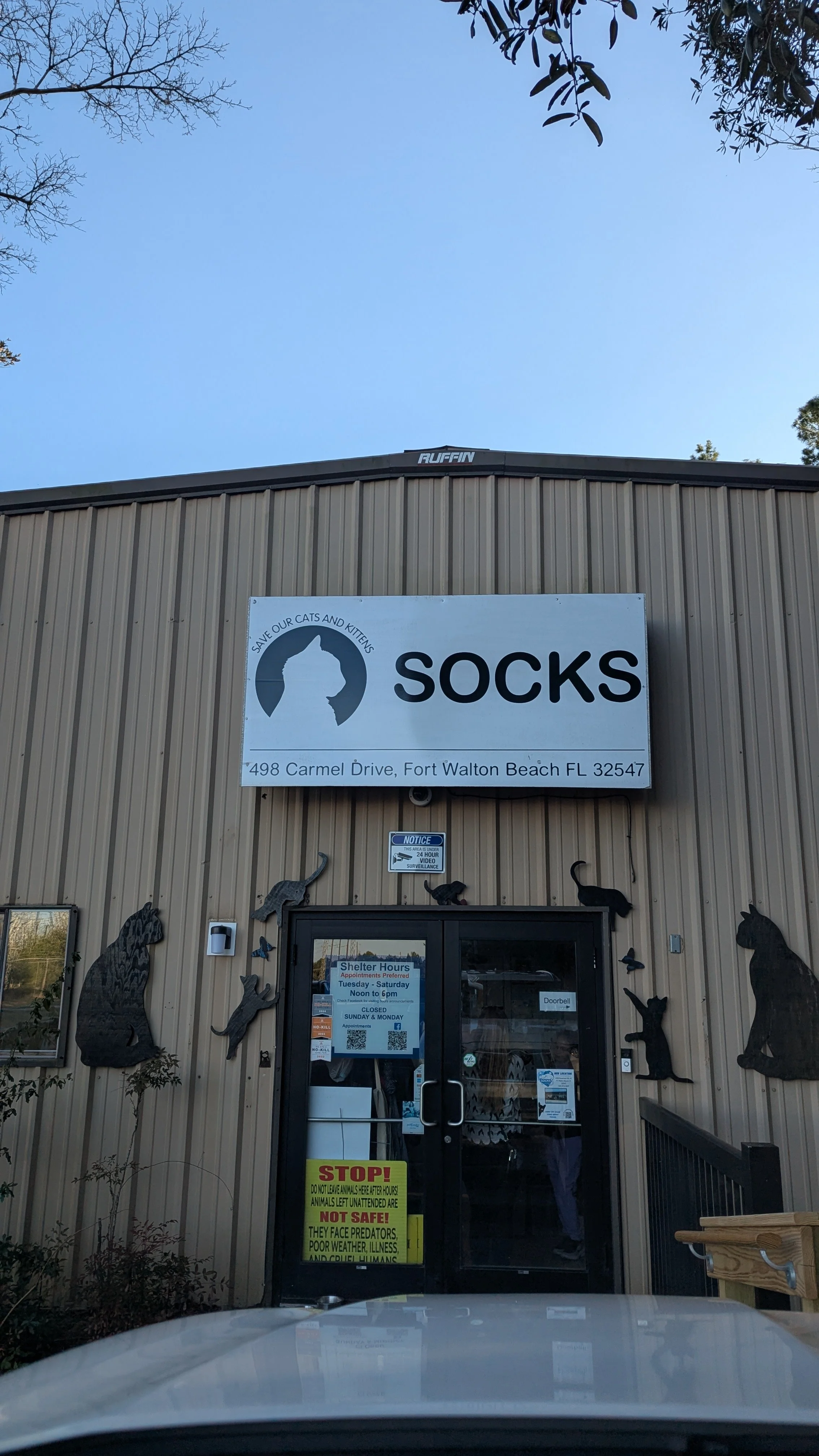
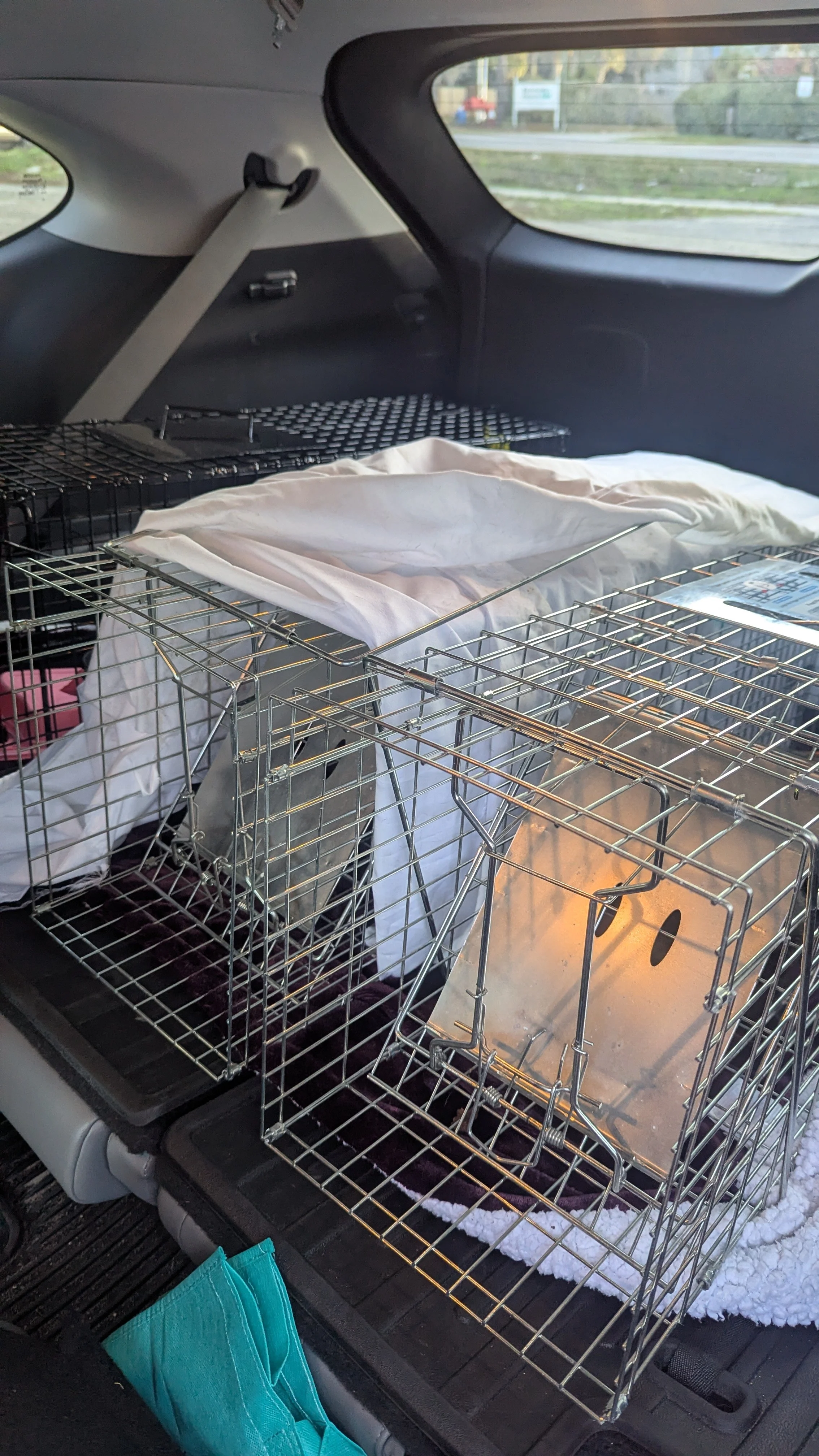
Together with two dedicated volunteers, Rachel and Justine, they personally set and monitored humane traps, coordinated veterinary care, transported cats, managed recovery, and safely returned them to the place they knew as home. Through partnerships with Mac the Snipper and SOCKS (Save Our Cats and Kittens), we were able to connect this hands-on work with the veterinary care and resources necessary to make a lasting difference.
By the end of the campaign, 28 community cats had been spayed or neutered, and our supporters had helped us raise $2,125 to fund those surgeries.
We are incredibly proud of that number. But the real story of this campaign is what those 28 surgeries mean for the years ahead.
It Started in Kayla's Backyard
When community cats begin gathering in one place, it is often because they have found something they need: food, shelter, safety, or simply a place where they are tolerated. For the person who discovers them, the instinct is often to help. You put out a bowl of food. You create a warm place to sleep. You start recognizing which cat comes at which time and noticing when someone new appears.
And then one day, there are kittens.
That is where a compassionate act can unexpectedly turn into a responsibility far greater than one person anticipated. Cats can reproduce quickly, with females capable of becoming pregnant multiple times within a year and kittens themselves reaching reproductive age within months. Without spay and neuter intervention, one generation can become another and another.
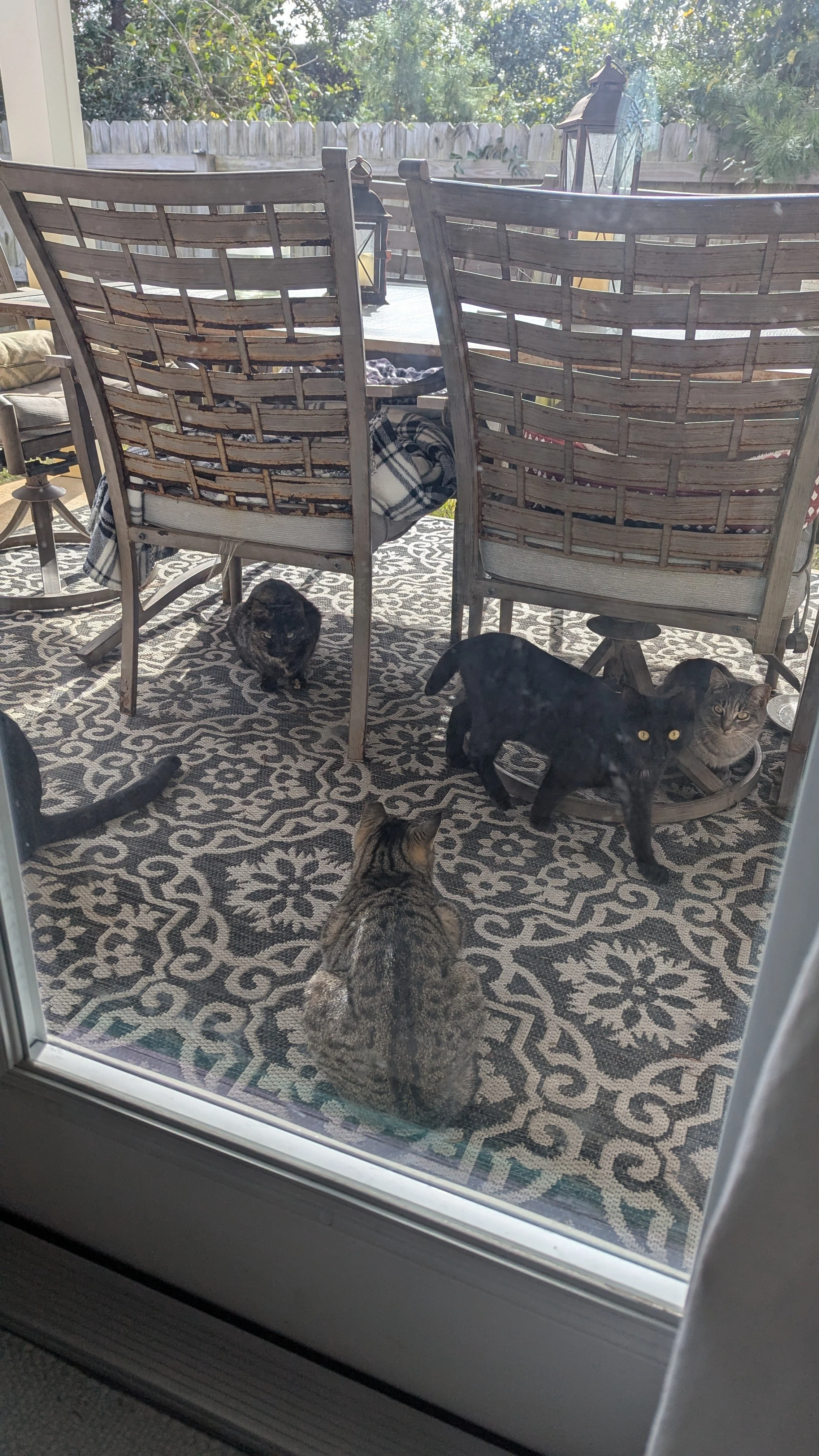
Kayla was seeing the beginning of that cycle in her own backyard. Rather than wait for the problem to grow, she and Holly decided to intervene at its source.
The work wasn't glamorous. TNR meant setting traps and waiting. Checking them repeatedly. Coordinating appointments. Transporting scared cats. Making sure each one had somewhere safe to recover after surgery. Returning them and then beginning the process again with the next cat.
Twenty-eight times.
It was a reminder of why community cat work requires exactly that: a community.
Why 28 Surgeries Have an Impact Far Beyond 28 Cats
The effects of leaving even a relatively small colony unaltered can compound rapidly. While some often-cited estimates about cat reproduction assume unrealistically perfect survival and breeding conditions, the underlying reality is undeniable: several unaltered cats can produce many additional litters within a short period of time, and their offspring can eventually begin reproducing as well.
That means our 28 surgeries represent far more than 28 procedures. Each altered cat represents future litters that will not be born outdoors. Over time, interrupting those reproductive cycles can mean significantly fewer cats competing for food and shelter, fewer kittens vulnerable to illness and injury, and fewer animals requiring rescue or emergency intervention.
This is what makes TNR so powerful. We are caring for the animal in front of us while simultaneously helping prevent suffering that hasn't happened yet.
For the cats themselves, the benefits are immediate and meaningful. Sterilization eliminates the physical toll of repeated pregnancies and can reduce mating-related behaviors such as roaming and fighting. Through TNR, community cats can also receive vaccinations and an opportunity for basic veterinary attention that might otherwise be inaccessible to them.
But there is another side of the equation that doesn't receive nearly enough attention: the effect community cat overpopulation has on people.
Cat Overpopulation Is a Human Issue, Too
Behind nearly every community cat colony is a person trying to figure out what to do.
It might be someone like Kayla who suddenly realizes the cats visiting their backyard are multiplying. It might be an older resident spending part of a limited income on cat food every week because they cannot bear to watch the animals go hungry. It might be someone discovering kittens beneath a porch and calling every rescue organization they can find, only to learn that those organizations are already full.
As a colony grows, so does the human responsibility surrounding it. More food is needed. Veterinary emergencies become more likely. Neighbors may become frustrated by roaming, fighting, spraying, or mating behaviors. Local rescues receive more calls. Shelters face more pressure during an already overwhelming kitten season. Volunteers spend more time trapping, transporting, fostering, fundraising, and searching for solutions.
The emotional burden is real, too. It is incredibly difficult to care about animals and know that you do not have the financial resources, transportation, veterinary access, or physical ability to help every one of them.
TNR changes that trajectory.
By addressing reproduction before a colony grows beyond what a community can reasonably support, we can reduce pressure on the entire animal welfare system. Fewer kittens being born outdoors means fewer animals eventually requiring shelter space, foster homes, veterinary treatment, food, transportation, and adoption resources.
Helping community cats ultimately means helping the humans who care for them, too.
Why Partnerships Make TNR Possible
Our experience in Kayla's backyard also reinforced something fundamental to The Gaske Cat Foundation's mission: no single person or organization can solve community cat overpopulation alone.
Our partnerships with Mac the Snipper and SOCKS were an important part of making this campaign possible. TNR requires people willing to identify colonies and trap cats, organizations that can help coordinate resources, veterinary professionals able to provide spay and neuter services, volunteers willing to transport and monitor animals, and donors willing to help cover the cost.
When those pieces come together, something that initially feels impossible suddenly becomes achievable.
Kayla and Holly could set the traps. Our two volunteers could help with the hands-on work. Mac the Snipper and SOCKS could bring their resources and expertise to the effort. And our donors could make sure the financial cost didn't become the reason a cat went without care.
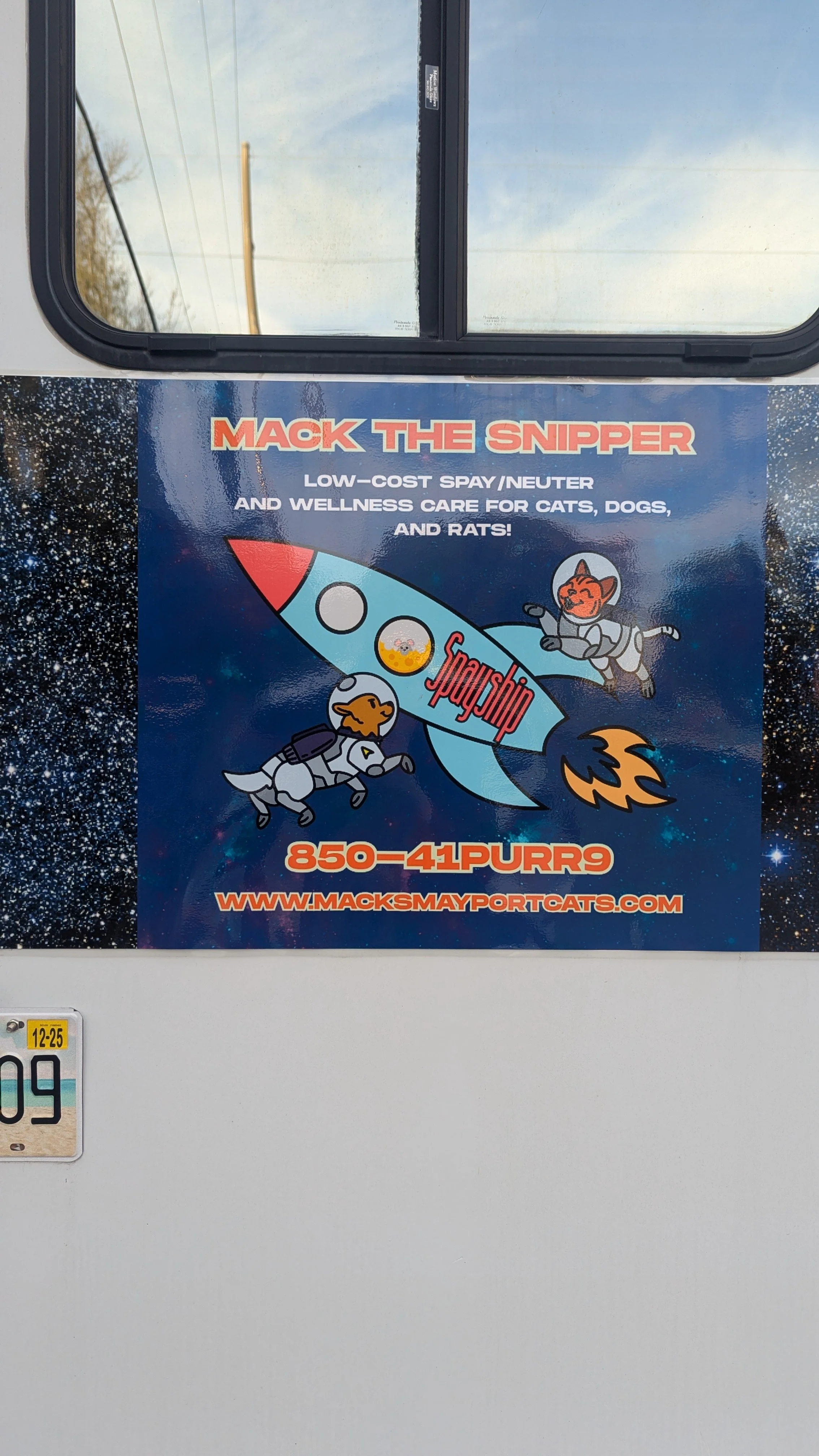
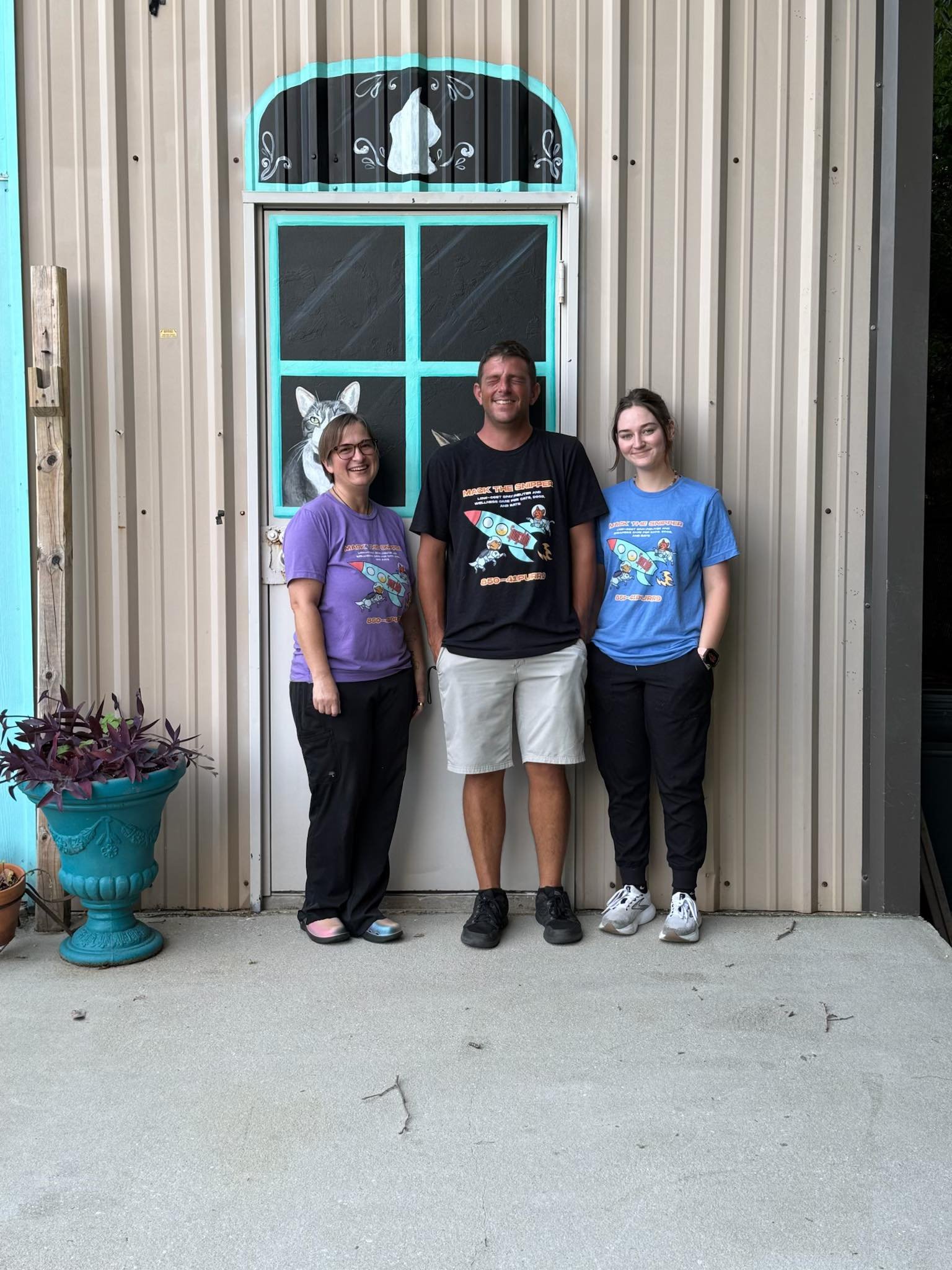
That collaborative model is particularly important in rural and underfunded communities, where affordable veterinary services may be scarce and animal welfare organizations are often already stretched thin.
A person can desperately want to have the six cats behind their house spayed or neutered and still have no realistic way to pay for six surgeries. They may live far from the nearest low-cost clinic or lack transportation. Their local shelter may already be full, and nearby rescues may have more requests than foster homes.
The desire to help is often there. The infrastructure isn't.
That is the gap organizations like ours, alongside partners like Mac the Snipper and SOCKS, are working to close.
TNR Creates Change Without Removing Cats From Their Home
It can seem logical to simply remove community cats when a colony becomes too large. But removing cats alone does not necessarily solve the underlying problem.
If the resources that attracted cats to an area remain, other unaltered cats can eventually move into the available territory. This is commonly referred to as the "vacuum effect." Without addressing reproduction, communities can find themselves repeating the same cycle.
TNR takes a long-term approach. Cats are humanely trapped, sterilized, vaccinated, given time to safely recover, and returned to their familiar territory. They can no longer reproduce, and with continued management and TNR of any new arrivals, colony populations can stabilize and gradually decline over time.
It is not an instant solution, and it requires commitment. Our experience trapping these 28 cats certainly reminded us of that.
But lasting change rarely comes from the easiest solution.
What Your $2,125 Made Possible
When we look back at this campaign, we don't simply see $2,125 raised and 28 surgeries funded.
We see Kayla and Holly setting traps in a backyard.
We see two volunteers choosing to spend their time helping animals that weren't technically "theirs."
We see our partners at Mac the Snipper and SOCKS working alongside us to turn concern into tangible care.
We see 28 cats who will never produce another litter. We see kittens who will never be born into uncertain circumstances outdoors. We see fewer animals potentially entering already strained shelters and rescues. We see neighbors spared from watching a small colony become an overwhelming one.
And most importantly, we see what can happen when people refuse to believe that community cats are someone else's problem.
Every person who donated to this campaign became part of that story. Your support helped pay for real veterinary care for real animals. You helped us step in before the situation grew larger. And you helped provide a humane path forward for both the cats and the people living alongside them.
One Backyard Can Be the Beginning of Something Bigger
There are countless "Kayla's backyards" out there.
There are people opening their doors each morning to find another cat waiting for breakfast. People discovering a new litter beneath the shed. People wondering how they can possibly afford to have every cat fixed. People calling shelters and rescues because they want to do the right thing but don't know where else to turn.
Those are the people and animals we want to reach.
This campaign showed us what can happen when one person notices, another person steps in to help, organizations share their resources, volunteers give their time, and donors make the work financially possible.
For these 28 cats, that network of compassion changed everything.
To Mac the Snipper, SOCKS, our two incredible volunteers, our veterinary partners, and every person who donated or shared this campaign: thank you. These 28 lives represent what we can accomplish together.
We know there is more work ahead of us. But today, we are celebrating 28 cats, $2,125 raised, a community that showed up, and one backyard that looks very different because people cared enough to act.
Sometimes changing the future for community cats doesn't begin with a massive program or a shelter full of resources.
Sometimes, it begins with setting a single trap in your own backyard.
